

Free Cloud Server: Our 2025 Latest Guide to Getting Started for Beginners
In today’s digital world, a free cloud server can be a game-changer for developers, small businesses, and tech enthusiasts looking to test, build, or host projects without breaking the bank. Whether you’re launching a website, developing an app, or experimenting with new software, free cloud servers offer a cost-effective way to access powerful computing resources. In this guide, we’ll explore what a free cloud server is, its benefits, top providers—including Vultr, DigitalOcean, and Linode—and how to make the most of it.
What is a Free Cloud Server?
A free cloud server is a virtual server provided by cloud hosting companies at no cost, typically as part of a trial or freemium plan. These servers run on shared or limited resources in the cloud, allowing users to host websites, store data, or run applications without investing in physical hardware. While free plans often come with limitations like capped storage, bandwidth, or processing power, they’re perfect for learning, prototyping, or small-scale projects.
Why Choose a Free Cloud Server?
Opting for a free cloud server comes with several advantages:
- Cost Savings: No upfront costs make it ideal for startups, students, or hobbyists.
- Scalability: Many providers allow you to upgrade to paid plans as your needs grow.
- Accessibility: Access your server from anywhere with an internet connection.
- Learning Opportunity: Perfect for experimenting with server management, coding, or DevOps tools.
- No Hardware Hassle: Forget about maintaining physical servers—cloud providers handle it all.
Top Providers Offering Free Cloud Servers
Several reputable cloud providers offer free tiers or trials. Here are some of the best options to consider:
1. AWS Free Tier
Amazon Web Services (AWS) offers a free tier that includes 750 hours of EC2 micro-instance usage per month for 12 months. It’s a great way to test web hosting, app development, or database management.
Best For: Beginners and professionals exploring cloud computing.
Limitations: Limited to 12 months; micro-instances have modest performance.
2. Google Cloud Platform (GCP) Free Tier
GCP provides a $300 credit for 90 days and a free micro-instance for lightweight workloads. It’s ideal for testing machine learning models or hosting small websites.
Best For: Developers interested in AI, ML, or small-scale hosting.
Limitations: Credits expire after 90 days; the free VM has low resources.
3. Microsoft Azure Free Tier
Azure offers a $200 credit for 30 days and free access to certain services, like Linux virtual machines, for 12 months.
Best For: Businesses integrating with Microsoft tools or testing enterprise-grade apps.
Limitations: Short trial period for credits; some services require upgrades.
4. Oracle Cloud Free Tier
Oracle’s “Always Free” tier is one of the most generous, offering two virtual machines with 1/8 OCPU and 1GB RAM each, plus 10GB of storage.
Best For: Long-term projects or those needing reliable free resources.
Limitations: Limited to specific regions and configurations.
5. Vultr Free Tier
Vultr offers a free tier program for eligible applicants, providing free cloud compute instances in specific data center regions. The program is designed to support developers and businesses testing solutions, with access granted based on a weighted score during sign-up.
Best For: Developers and startups needing high-performance cloud servers for testing.
Limitations: Limited availability in certain regions; access is subject to approval and a randomized selection process.
6. DigitalOcean Free Trial
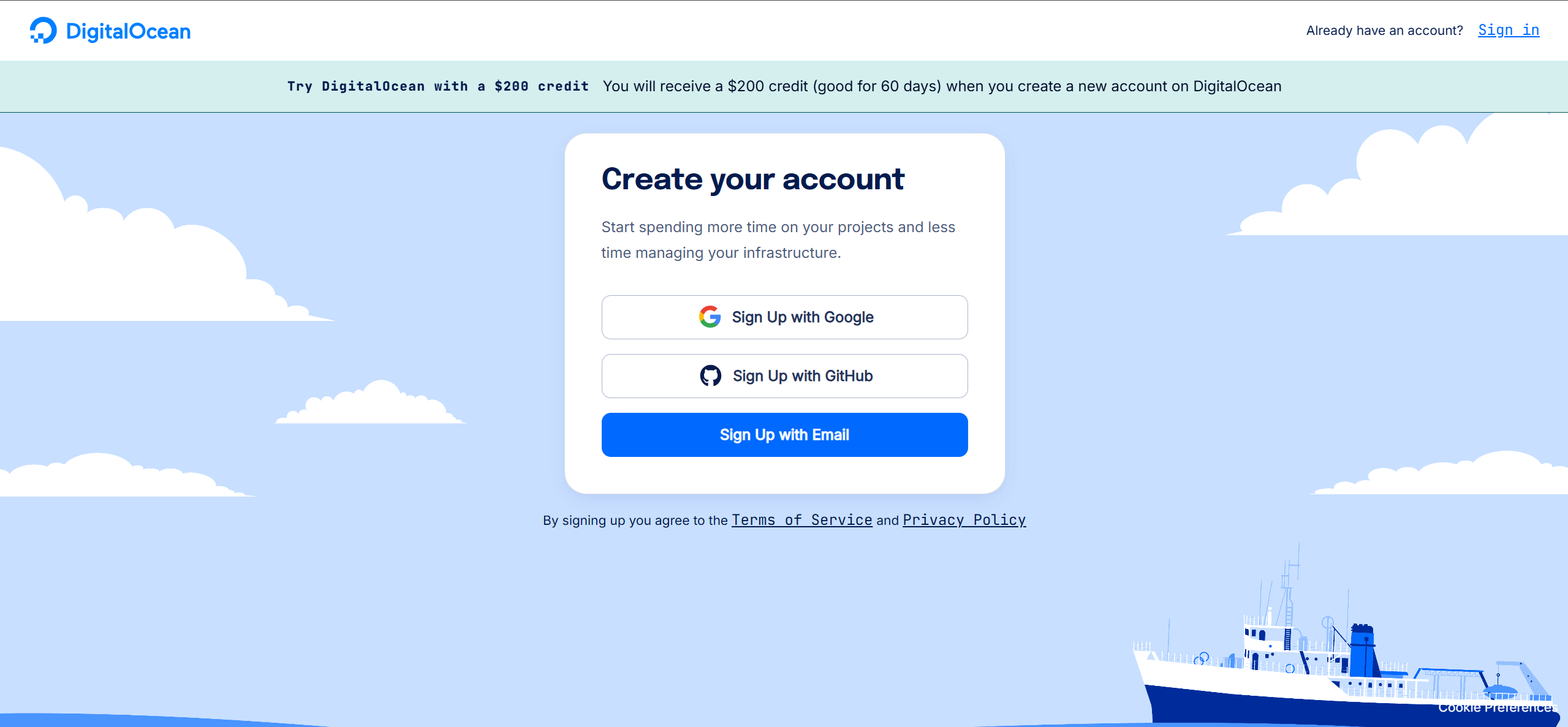
DigitalOcean provides a $200 free credit for 60 days, which can be used to test their Droplets (virtual machines), managed databases, or other services. While not a permanent free tier, it’s excellent for short-term projects.
Best For: Developers seeking a user-friendly platform for web hosting or app deployment.
Limitations: Credits expire after 60 days; no ongoing free tier for compute instances.
7. Linode Free Trial
Linode, now part of Akamai, offers a $100 free credit for 60 days to explore their cloud hosting services, including virtual machines and managed databases. Like DigitalOcean, it’s a trial rather than a permanent free tier.
Best For: Developers and businesses needing reliable performance and excellent support.
Limitations: Credits expire after 60 days; no ongoing free tier for compute resources.
How to Choose the Right Free Cloud Server
When selecting a free cloud server, consider these factors:
- Purpose: Are you hosting a website, running a database, or testing an app? Match the provider’s strengths to your needs.
- Resource Limits: Check CPU, RAM, storage, and bandwidth caps to ensure they meet your project requirements.
- Ease of Use: Platforms like Heroku and DigitalOcean are beginner-friendly, while AWS and GCP require more technical know-how.
- Upgrade Path: Ensure the provider offers affordable paid plans if you need to scale later. For example, Vultr’s plans start at $2.50/month, DigitalOcean at $4/month, and Linode at $5/month.
- Support: Look for providers with active communities or documentation for troubleshooting. DigitalOcean excels with tutorials, while Linode is known for responsive support.
Getting Started with a Free Cloud Server
Follow these steps to set up your free cloud server:
- Choose a Provider: Sign up for a free account with a provider like AWS, GCP, Oracle Cloud, Vultr, DigitalOcean, or Linode.
- Select a Server Type: Pick a virtual machine or container based on your project (e.g., Linux for web hosting).
- Configure Settings: Set up your server with the desired OS, region, and security settings.
- Deploy Your Project: Upload your website, app, or database using tools like SSH, FTP, or Git.
- Monitor Usage: Keep an eye on resource limits to avoid unexpected charges or downtime, especially with trial credits from DigitalOcean or Linode.
- Explore Features: Experiment with additional tools like databases, APIs, or analytics offered by the provider.
Tips to Maximize Your Free Cloud Server
- Optimize Resources: Use lightweight software and optimize code to stay within free tier limits.
- Automate Backups: Schedule regular backups to avoid data loss. DigitalOcean offers free weekly backups, while Vultr and Linode charge for daily backups.
- Learn the Platform: Use free servers to master cloud tools like Docker, Kubernetes, or serverless computing.
- Monitor Performance: Track CPU and memory usage to ensure smooth operation.
- Plan for Scaling: Be ready to upgrade to a paid plan if your project grows beyond free tier limits.
Common Use Cases for Free Cloud Servers
Free cloud servers are versatile and can support various projects, such as:
- Hosting a Personal Website: Run a blog or portfolio using WordPress or static site generators.
- Learning DevOps: Practice setting up CI/CD pipelines or managing servers.
- Testing Apps: Deploy and test web or mobile apps before scaling.
- Prototyping: Build proof-of-concept projects without financial risk.
- Educational Projects: Use free servers for coding bootcamps or university assignments.
Limitations of Free Cloud Servers
While free cloud servers are powerful, they come with caveats:
- Resource Constraints: Limited CPU, RAM, or storage may not suit high-traffic projects.
- Trial Periods: Some free tiers (e.g., AWS, Azure, DigitalOcean, Linode) expire after a set time.
- Performance: Free servers often use shared resources, leading to slower performance.
- Support: Free plans rarely include dedicated customer support. For example, Vultr’s free tier approval process may delay access.
Conclusion
A free cloud server is an excellent starting point for anyone looking to explore cloud computing without spending a dime. From hosting websites to testing apps, providers like AWS, GCP, Oracle, Heroku, Vultr, DigitalOcean, and Linode offer robust free tiers or trials to suit various needs. By choosing the right provider, optimizing resources, and planning for growth, you can make the most of your free cloud server experience. Ready to dive in? Sign up with one of the providers mentioned above and start building today!
